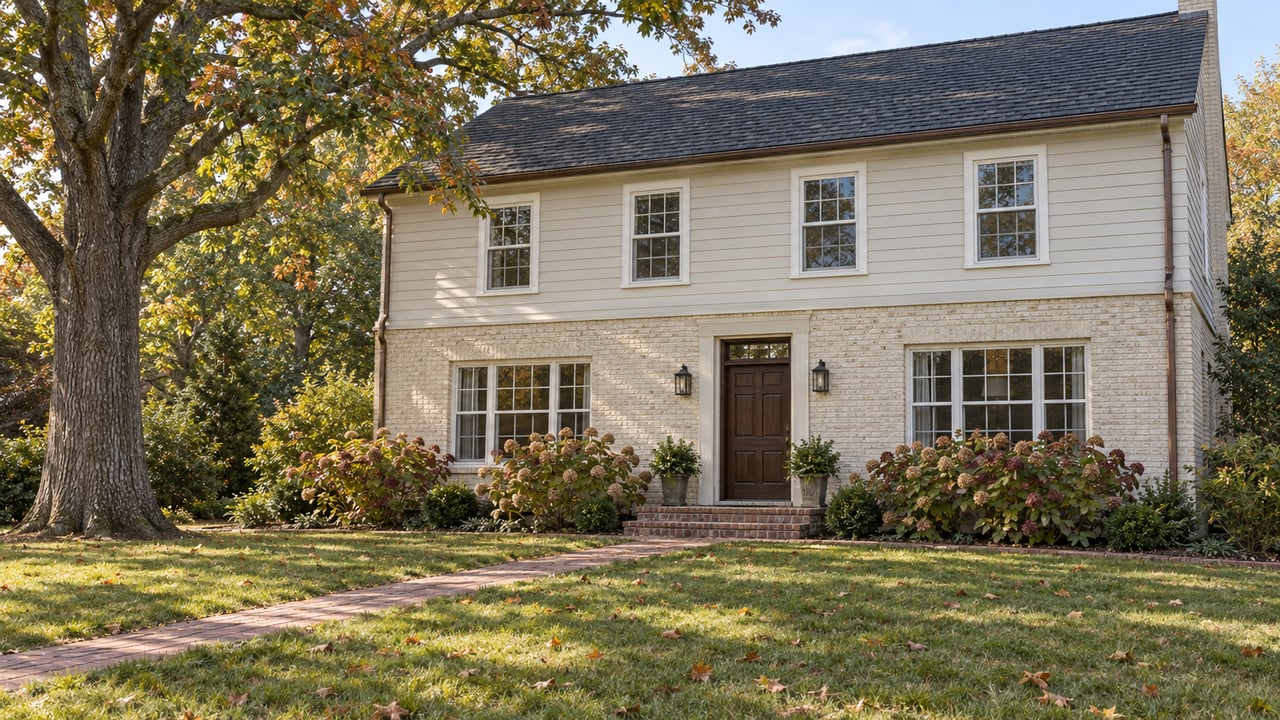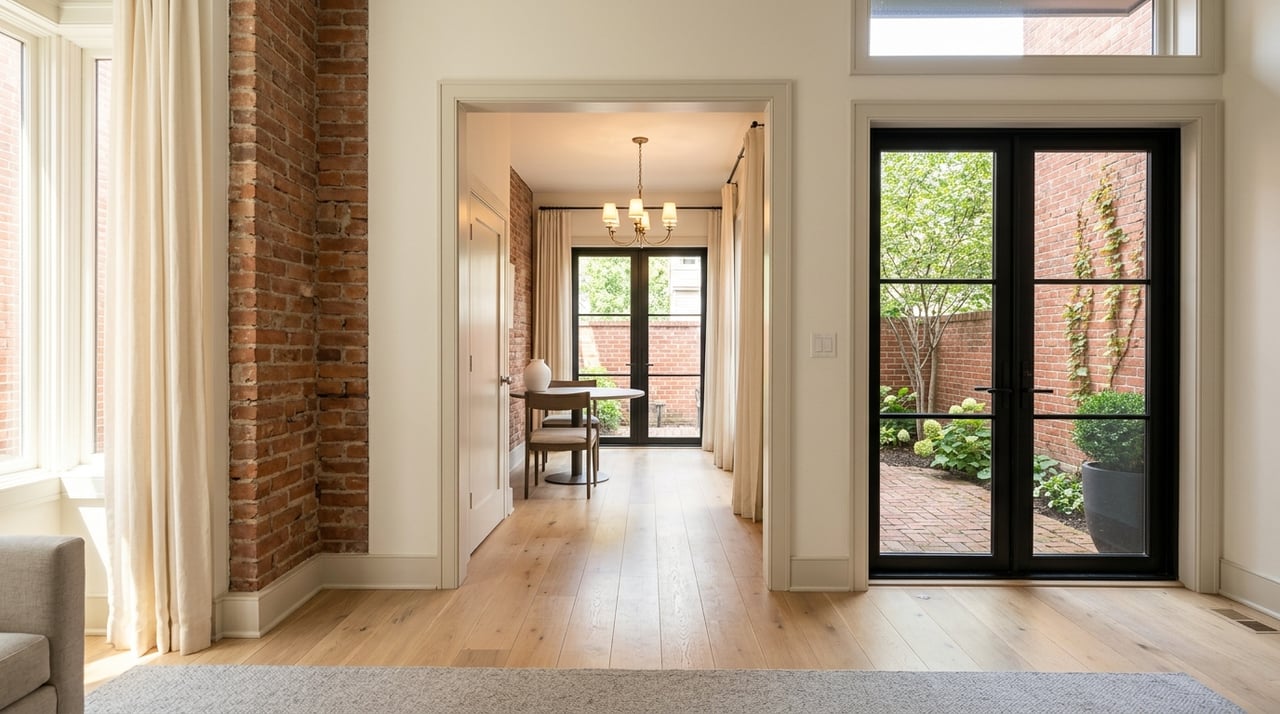
Ever wonder why so many buyers are drawn to Petworth rowhouses instead of newer condos or more spread-out homes? In this part of Northwest DC, the appeal often comes down to a rare mix of architectural character, practical living space, and a neighborhood rhythm that feels connected to the street around you. If you are trying to picture what daily life in a Petworth rowhouse really feels like, this guide will help you understand the layout, lifestyle, and ownership considerations that matter most. Let’s dive in.
Petworth rowhouses have a distinct identity
Petworth sits in Ward 4, a part of DC that the Office of Planning describes as largely residential, with Georgia Avenue serving as a major commercial spine. The neighborhood is also known for its architectural variety, broad boulevards, and circles, which gives it a strong visual identity compared with many other parts of the city.
That setting matters when you are house hunting. In Petworth, a rowhouse is not just a property type. It is part of a larger neighborhood pattern shaped by brick homes, walkable streets, and blocks that feel cohesive from one end to the other.
Rowhouse character comes from early 20th-century design
Petworth’s rowhouse development happened in waves. The earliest rows appeared in the 1890s near Georgia Avenue, but the biggest building period ran from about 1905 to 1910 and continued into the 1930s.
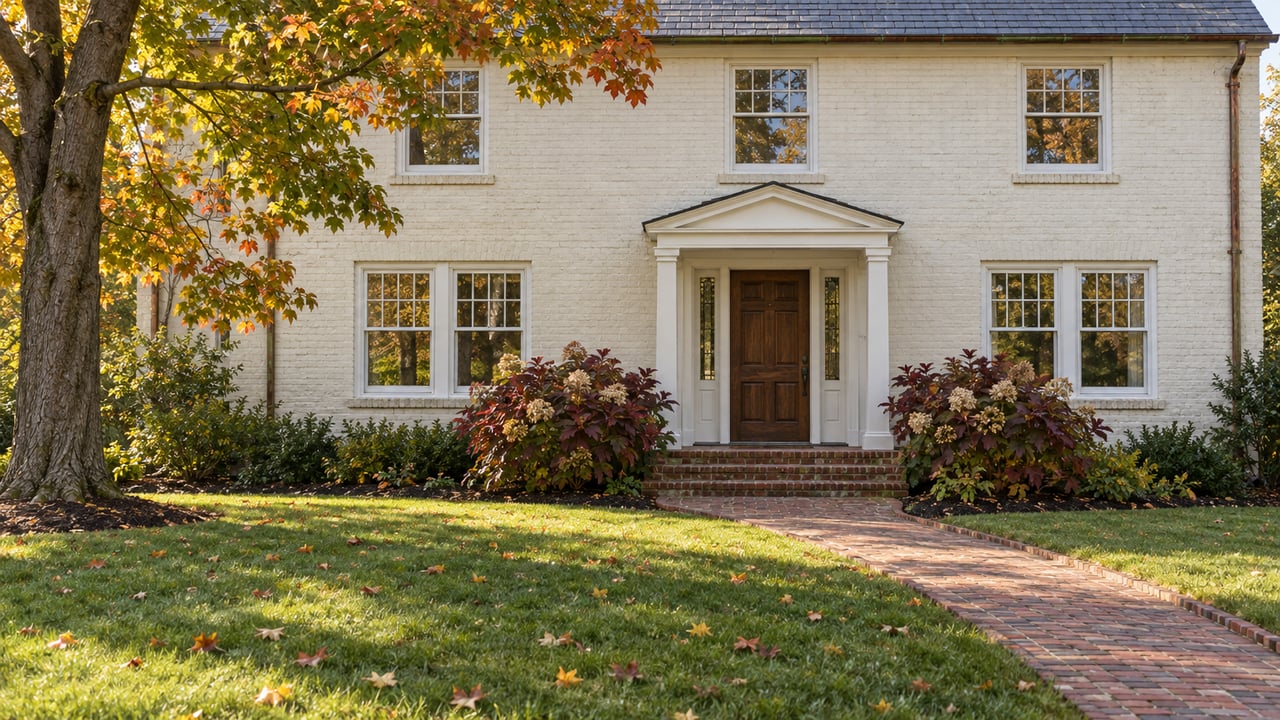
During that era, the two-story, porch-fronted brick Washington rowhouse became a defining housing type. Preservation documents describe many of these as “daylight rowhouses,” a design that was wider than many Victorian houses and allowed for more windows in exposed side walls.
That history still shows up in the way the neighborhood feels today. You are not just seeing old brick homes. You are seeing a building style that was designed for urban residential life, with a strong relationship between the house, the porch, and the street.
Grant Circle helps explain the look
If you want a quick mental picture of Petworth rowhouse living, Grant Circle is a good reference point. Preservation reports describe it as a major urban and visual feature of the neighborhood, with surrounding rowhouses that share continuity of scale, material, and character.
That does not mean every block in Petworth looks exactly the same. It does mean that many parts of the neighborhood reflect a similar early-20th-century rowhouse environment, where the homes work together visually and help create a strong sense of place.
What the space usually feels like
One of the biggest questions buyers ask is whether a rowhouse will feel too compact. In Petworth, the better way to think about the layout is vertical and efficient rather than sprawling.
Historic examples in the Grant Circle area, which preservation staff describe as representative of much of Petworth, are masonry rowhouses with raised basements, front porches, and compact street-facing footprints. Some also include rear alley buildings or garages, which can add flexibility to how the property functions.
In practical terms, that often means you may have more separation between living areas than you would in a condo, but less of the wide-open footprint you might find in a detached suburban house. For many buyers, that tradeoff is exactly the point. You get more room than a condo, while still staying closely connected to city life.
Light can vary from one home to another
Not every rowhouse will feel the same inside. Because the daylight rowhouse type allowed for more windows in exposed walls, end units and homes with side exposure may feel brighter and a bit more open than interior-row houses.
That is not a rule for every property, but it is a useful lens when you are comparing homes. If natural light is a top priority for you, it is worth paying close attention to unit placement, window exposure, and how the home sits on the block.
Porches and basements shape daily living
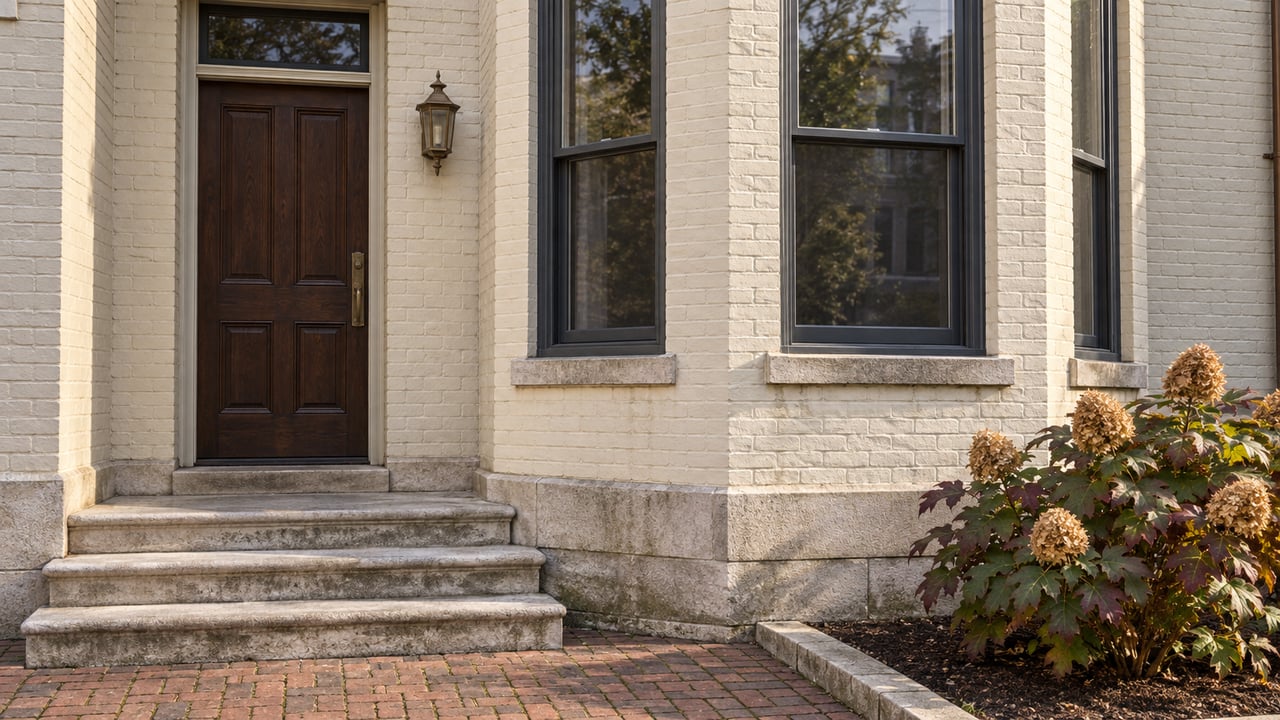
Two features show up again and again in Petworth rowhouses: front porches and raised basements. Those details are not just architectural trivia. They often play a big role in how the home lives day to day.
A front porch can create a softer transition between private and public space, while a raised basement can expand how you use the home overall. Even when the footprint is compact from the street, these design features can make a rowhouse feel more functional and flexible.
Outdoor space is more neighborhood-based
If you are coming from a suburban mindset, it helps to reset expectations around outdoor space. Petworth offers neighborhood-scale green space rather than a large private yard experience.
That does not mean outdoor living is limited. It means your routine may include a blend of porch time, smaller private outdoor areas, and regular use of nearby public spaces.
Parks and recreation are part of the routine
Grant Circle itself is a 1.84-acre urban park with triangle parks, lawns, mature trees, sidewalks, and a small playground. That kind of green space adds breathing room to the neighborhood without changing its urban character.
The Petworth Recreation Center adds even more to everyday life, including a spray park, a small green space for kite flying, and annual Summer Jazz concerts on the lawn. For many residents, that creates a rhythm where recreation and downtime happen close to home, without the need for a long drive.
Walkability and transit support car-light living
Transit is a major part of Petworth’s appeal. WMATA lists the Georgia Ave-Petworth station at 3750 Georgia Avenue NW on the Green and Yellow lines, and the station also includes bike racks and bikeshare.
That setup reinforces a car-light lifestyle. Depending on your routine, you may find that daily errands, commuting, and social plans revolve more around walking, Metro, and biking than around getting in the car.
The neighborhood supports short daily trips
Planning documents describe the Petworth-Metro area as a mix of rowhouses, apartment buildings, retail, and office uses. They also identify the Petworth Library as a neighborhood asset and call for strengthening the business district along Upshur Street and 9th Street.
Taken together, that points to a lifestyle built around short, familiar routes. You may be walking to Metro, stopping by the library, heading to a local business district, or spending time at a recreation space, all within the normal flow of the week.
Ownership can include preservation considerations
If you are buying or selling a rowhouse in Petworth, character is only part of the story. In some cases, exterior changes may be shaped by the District’s preservation system.
The Historic Preservation Review Board and Historic Preservation Office use written design standards and guidelines to review construction affecting historic properties. Guideline topics include additions, alley buildings and garages, roof decks and additions, windows, doors, porches, and basement entrances and windows.
Planning ahead matters with exterior changes
For buyers, this is an important practical point. If you are considering future updates, especially exterior work, it helps to understand early whether the property sits in a historic district or has other preservation considerations.
For sellers, the same context can shape how you position the home. A rowhouse’s appeal may include its preserved character, but buyers may also want clarity around what future improvements could involve, particularly in areas with strong architectural continuity like Grant Circle.
Why Petworth rowhouses stand out
At a high level, Petworth rowhouse living offers an urban residential experience with more room than a condo, while still keeping you closely tied to neighborhood life. The mix of brick architecture, porches, basement levels, local parks, Metro access, and walkable routines gives the area a living pattern that feels both practical and distinctive.
That balance is a big reason Petworth continues to stand out for buyers who want space, character, and connection in DC. If that combination fits your goals, a rowhouse here may offer exactly the kind of everyday experience you have been looking for.
If you are thinking about buying, selling, leasing, or relocating in DC, having a team that understands neighborhood nuance can make the process much smoother. Shepherd Homes Group helps clients across the DMV navigate real estate with clear guidance, responsive support, and local insight.
FAQs
What is rowhouse living like in Petworth?
- Rowhouse living in Petworth generally feels vertical and efficient, with two-story brick homes, raised basements, front porches, and a strong connection to the street and surrounding neighborhood.
Do Petworth rowhouses usually have outdoor space?
- Petworth rowhouses typically offer more neighborhood-scale outdoor living than large private yards, with nearby spaces like Grant Circle and the Petworth Recreation Center playing an important role in daily life.
Are Petworth rowhouses close to Metro?
- Yes. WMATA lists the Georgia Ave-Petworth station on the Green and Yellow lines, which supports a walkable, transit-connected lifestyle in the neighborhood.
Do all Petworth rowhouses get the same amount of natural light?
- No. Light can vary by location and layout, and end units or homes with side exposure may feel brighter because the daylight rowhouse type allowed for more windows in exposed walls.
What should buyers know about updating a Petworth rowhouse?
- If a property is in a historic district or otherwise protected, exterior changes such as additions, porches, windows, roof decks, garages, and basement features may be reviewed under the District’s preservation guidelines.