Wondering if you can have an Ashburn address and a workable D.C. commute? You are not alone. Many buyers look west for more space, newer housing, and a suburban feel, then pause when it is time to think through trains, traffic, parking, and the day-to-day reality of getting to work. The good news is that Ashburn gives you several real commuting paths, but the best home for you often depends on how often you commute and how much unpredictability you can tolerate. Let’s dive in.
Why Ashburn Works for D.C. Commuters
Ashburn is the western end of Metro’s Silver Line, which gives you a direct rail connection into major job centers across the region. From Ashburn, the line connects to Loudoun Gateway, Dulles International Airport, Reston, Tysons, Rosslyn, downtown Washington, D.C., and Downtown Largo.
That matters because your search is not just about distance on a map. It is about whether your commute feels manageable on a Tuesday morning, a late office night, or a hybrid workweek with changing schedules.
WMATA service from Ashburn is designed to support commuters throughout the day. Rush-hour trains are described as running about every 10 minutes, midday, evening, and weekend service about every 12 minutes, and late-night service about every 15 minutes. Weekday first trains from Ashburn begin at 5:51 AM, and last trains run until 1:11 AM.
Commute Options From Ashburn
Silver Line rail service
For many buyers, Metro is the clearest reason Ashburn stays in the conversation. Rail gives you a more predictable option than driving, especially if your office is near a station in Tysons, Rosslyn, or downtown D.C.
The key benefit is consistency. The train schedule is not the same as a guaranteed door-to-door travel time, but it can reduce the day-to-day guesswork that comes with highway traffic.
Loudoun County commuter bus
Ashburn buyers also have access to Loudoun County commuter bus service on weekdays. These routes connect park-and-ride lots to places like Rosslyn, Crystal City, the Pentagon, and Washington, D.C.
The current commuter fare is listed at $12 each way with SmarTrip or $13 cash. The county also notes that departure times can vary by 5 to 10 minutes because of traffic, so this option tends to work best if you keep a more standard weekday office schedule.
Driving into D.C. or closer-in Virginia
If you plan to drive most days, timing matters a lot. VDOT identifies peak traffic on the Route 28 and Dulles Toll Road and Dulles Greenway corridors during the 7:00 to 10:00 AM and 4:00 to 7:00 PM windows.
In practical terms, your commute can change materially based on when you leave. A drive that feels manageable outside peak hours may feel very different during the traditional morning and evening rush.
What the Daily Commute Really Depends On
When buyers think about commuting from Ashburn, they often focus first on the trip into D.C. In reality, the more important question is often how easily you can get from your house to your transit option in the first place.
If you are using Metro, the train itself may not be the hardest part. Your real planning points are getting to Ashburn Station, parking, and then getting from your destination station to your office.
Ashburn Station is built to support that kind of use. WMATA lists about 3,000 parking spaces there, with parking priced at $4.95 per day.
That large park-and-ride setup can be a real advantage if you want flexibility. It can also make station access part of your home search criteria, not an afterthought.
Why Neighborhood Position Matters
Some Ashburn-area locations make commuting easier because they connect well to the station. WMATA’s station-area map shows county bus connections from places including One Loudoun P+R, Ashburn Village, Ashburn Farm, Moorefield, Broadlands, Brambleton, Westwind Farms, Leesburg P+R, and Purcellville to Ashburn Station.
That means your home search should include more than square footage and finishes. You also want to look at whether your neighborhood gives you a smooth path to Metro or commuter bus service.
For households with two commuters, this can be especially useful. Because the Silver Line also serves Reston, Tysons, Rosslyn, and downtown D.C., Ashburn can fit households where one person heads east and another works in a closer-in Northern Virginia job center.
Housing Types You Will See in Ashburn
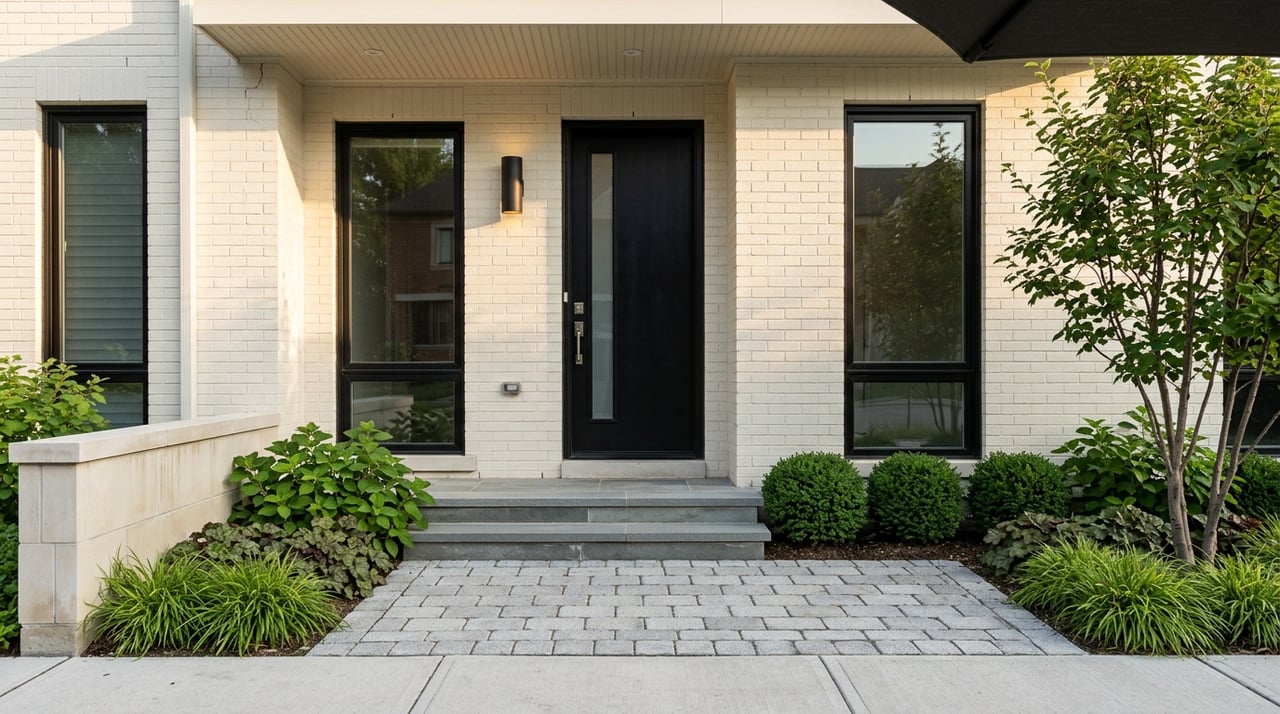
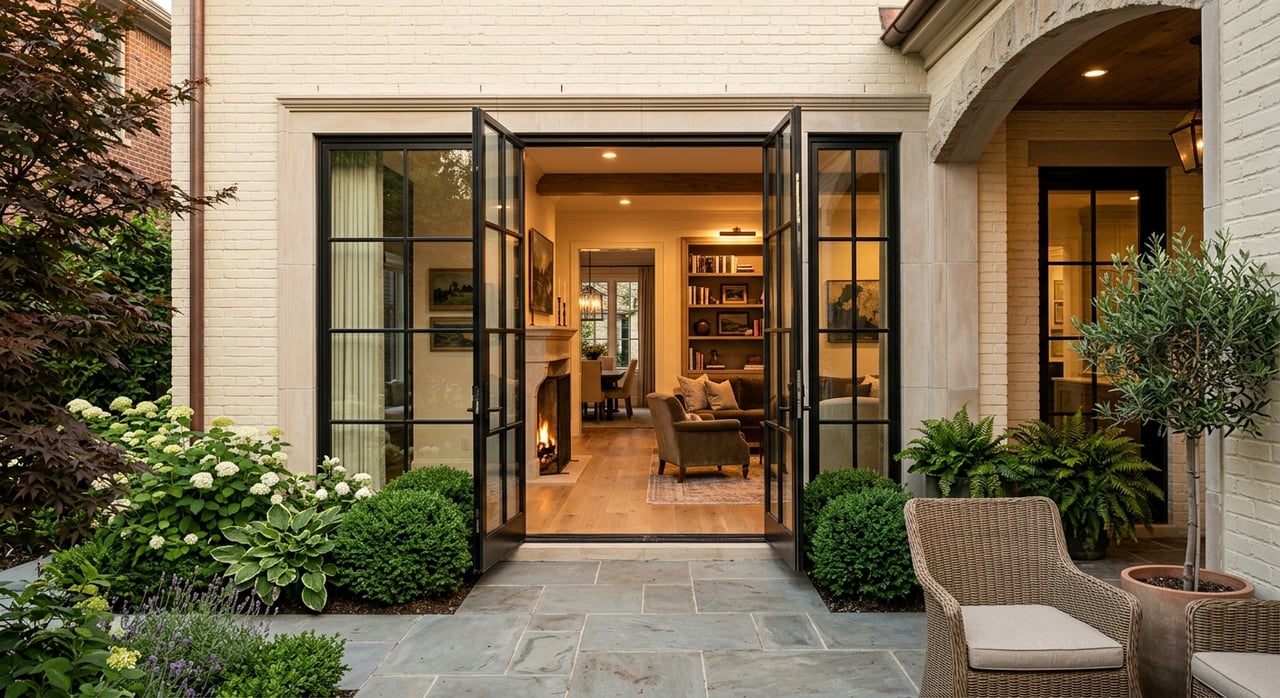
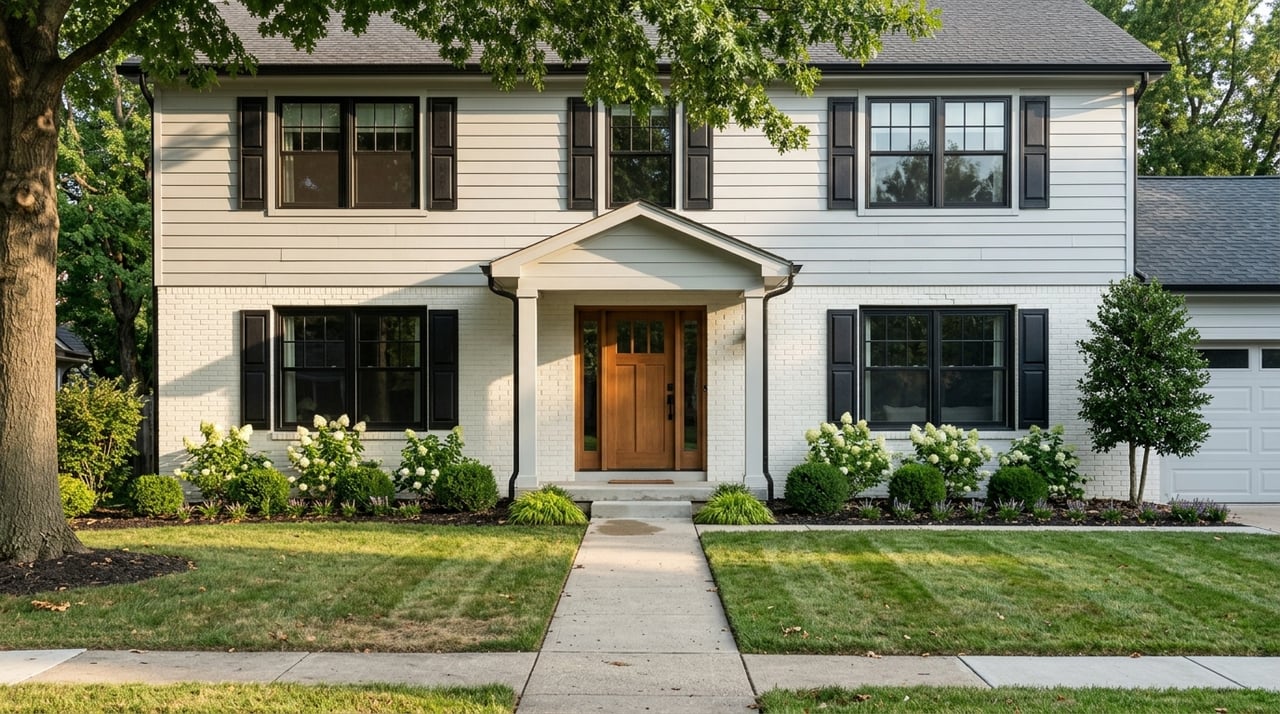
Ashburn offers a mix of housing, which is part of its appeal. Loudoun County planning materials identify suburban housing types here that include single-family detached homes, single-family attached homes such as townhomes and duplexes, and multifamily units.
That variety gives you options, but it also ties directly to commute strategy. In general, the closer you are to the Metrorail station core, the more likely you are to see attached and multifamily housing rather than larger-lot detached homes.
County planning materials also describe Ashburn as a mixed housing area. A past existing-conditions report summarized the area with a blend of single-family detached homes, townhouses, and multifamily homes, which helps explain why buyers can find very different lifestyles within the broader Ashburn area.
What the Numbers Suggest
Ashburn is largely owner-occupied and relatively expensive compared with many other parts of Virginia. Census QuickFacts report 18,065 housing units, a 68.0% owner-occupied rate, a median owner-occupied home value of $699,300, median monthly owner costs with a mortgage of $2,977, and median gross rent of $2,455.
The same Census data lists a mean travel time to work of 27.4 minutes for Ashburn. Loudoun County’s mean travel time to work is 30.1 minutes, which helps place Ashburn in a broader suburban commuter context.
Those numbers do not tell you what your exact commute will be. They do show that Ashburn is an established suburban market where many households are balancing cost, housing type, and access to regional job centers.
The Main Tradeoff: Space vs. Simplicity
For most buyers, the biggest decision is not whether Ashburn is commutable. It is how you want to live while commuting.
If you want easier station access and less parking friction, you may find that a condo, townhome, or other attached home closer to transit is the better fit. If you want a detached home, more interior space, or a larger yard, you may be comfortable with a more car-dependent routine.
Neither choice is automatically better. The right answer depends on your work schedule, budget, and how much daily travel uncertainty you are willing to accept.
How to Search Smarter
Start with your real workweek
Think about how many days you actually need to commute. A one-day-a-week commuter may feel very differently about driving and station access than someone going into D.C. four or five days a week.
Your home search should reflect your actual pattern, not an ideal version of your routine. Hybrid schedules can open up more options, especially if you are less tied to peak-hour travel every day.
Rank predictability, not just distance
A home that looks farther out on paper may still work well if it gives you easy access to Metro or a direct feeder route. On the other hand, a home with more space can become less convenient if every commute starts with a longer, more variable drive.
That is why commute reliability often matters more than simple mileage. In Ashburn, access can shape your day as much as location itself.
Budget for the full commute
Commuting costs are not just about your mortgage payment. You may also want to account for station parking, bus fares, tolls, and the value of your time.
Looking at the full picture helps you compare housing choices more realistically. Sometimes the home with the lower purchase price is not the easiest fit once the weekly commute routine is added in.
What to Expect as a Buyer
If you are buying in Ashburn with a D.C. commute, expect a market where lifestyle choices drive the search. You are not simply picking a house. You are choosing a daily pattern that includes transit access, driving windows, parking decisions, and the amount of time you want to spend getting where you need to go.
That is why the best Ashburn purchase is usually not the one with the biggest room count alone. It is the one that matches the way you actually live and work.
If you want help weighing station access, neighborhood options, and home types across Northern Virginia, Shepherd Homes Group can help you build a search around your real commute and your long-term goals.
FAQs
Is Ashburn a realistic place to live if you commute to Washington, D.C.?
- Yes. Ashburn is the western terminus of the Silver Line, and it also has weekday Loudoun County commuter bus service to major job centers including Washington, D.C., Rosslyn, Crystal City, and the Pentagon.
What is the most predictable commute option from Ashburn to D.C.?
- Rail is generally the more predictable option because Silver Line service runs throughout the day at regular intervals, while driving and commuter bus timing can be more affected by traffic.
How often do Silver Line trains run from Ashburn?
- WMATA describes Ashburn service as about every 10 minutes during rush hour, every 12 minutes during midday, evening, and weekends, and every 15 minutes late at night.
Does Ashburn Station have parking for commuters?
- Yes. WMATA lists about 3,000 parking spaces at Ashburn Station, with parking priced at $4.95 per day.
What kinds of homes are common in Ashburn for commuters?
- Ashburn includes single-family detached homes, attached homes like townhomes and duplexes, and multifamily housing. Closer to the station core, the housing mix is more likely to include attached and multifamily options.
Should you choose a bigger home or a shorter commute in Ashburn?
- That depends on your priorities. Buyers who want easier transit access may prefer homes closer to station or feeder-route access, while buyers who want more space often accept a more car-dependent commute.